




Service | St. Louis, MO
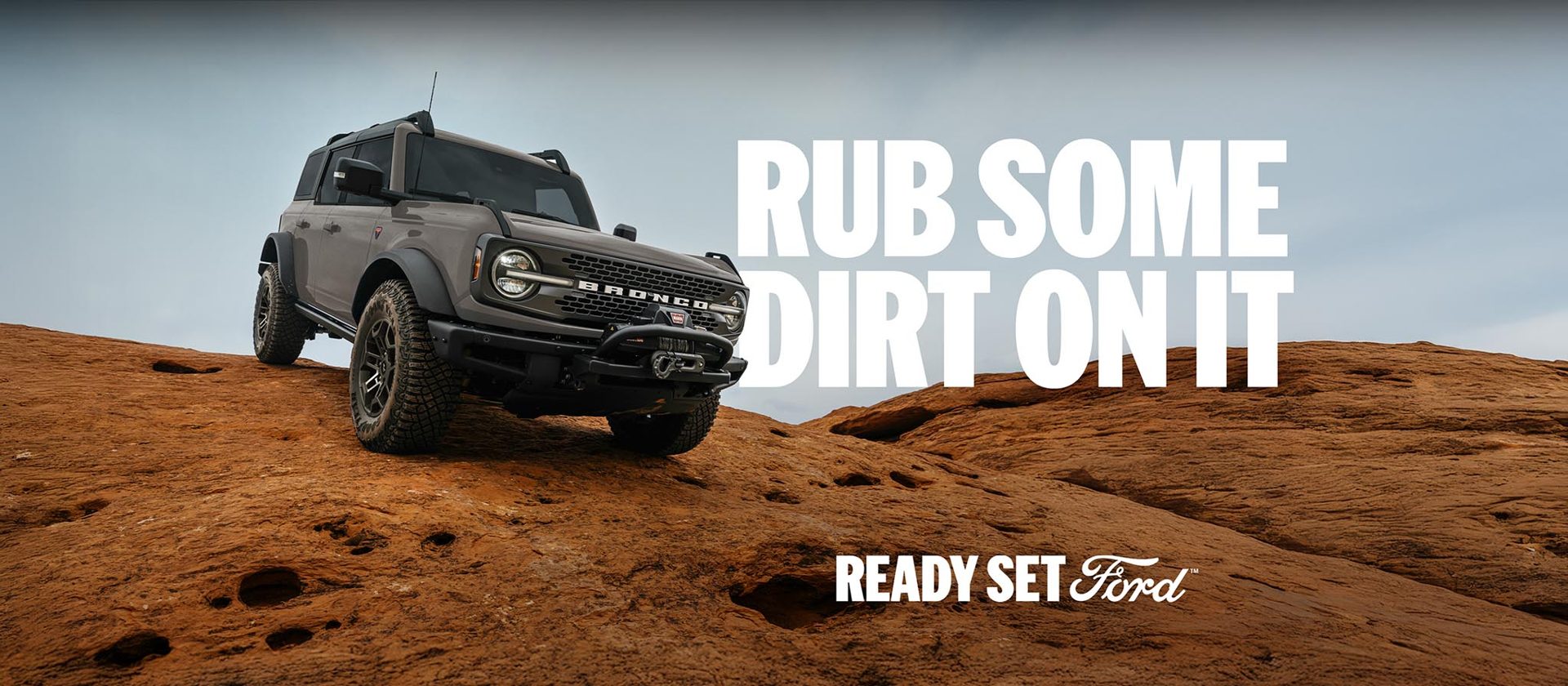
Get your Bronco ready before trail season starts.
Trail season doesn’t start the first weekend it’s warm enough to go. It starts a few weeks before that, with a handful of checks that matter a lot more once you’re off pavement than they do during a winter of mostly commuting. Here’s what’s worth going through before your first real trip.
Quick answer: Before your first trail trip, check tire tread and pressure for off-road conditions, confirm your four-wheel drive system engages properly, inspect the undercarriage for winter road salt damage, and make sure basic recovery gear is in the vehicle and not sitting on a list somewhere.
Check
Tires and underbody
Inspect
Fluids and recovery points
Pack
Basic recovery kit
In this post
- Check Tire Tread Before You Need It on the Trail
- Confirm Your Drive Modes Engage Correctly
- Is Your Recovery Gear in the Vehicle?
- What About Skid Plates and Underbody Protection?
- What About Fluid Levels Before Heavy Off-Road Use?
- Does the Battery Need Extra Attention for Off-Road Use?
- Should I Prep the Removable Doors and Roof Panels Now?
- Getting Your Bronco Checked Before Your First Trip
Check Tire Tread Before You Need It on the Trail
Tread that’s perfectly fine for pavement can be marginal off-road, where traction on loose surfaces matters more than it does on a dry highway. If your tires are approaching the wear bars, spring is the time to replace them, not after you’re already stuck on a spring trip.
Confirm Your Drive Modes Engage Correctly
A winter spent mostly on pavement means your Bronco’s off-road specific drive modes may not have been used in months. Cycling through them in a controlled setting before you’re on a trail is a simple way to catch a problem, like a mode that doesn’t engage smoothly, while you’re still close to home.
View Bronco Inventory
Schedule a Pre-Season Check
Does Winter Road Salt Affect the Undercarriage?
It can, particularly around fittings, exposed metal, and the underside of a vehicle that also sees trail use, since off-road driving already puts more stress on those components than daily street driving does. A visual inspection before trail season catches corrosion or wear early, while it’s still an easy fix.
Is Your Recovery Gear in the Vehicle?
A strap and a set of boards sitting in a garage do nothing for you thirty miles down a trail, so treat loading them in as part of the same pre-season routine as checking tires and fluids.
A lot of owners buy a recovery strap, traction boards, or a basic tool kit and then leave it sitting in a garage rather than in the Bronco itself. Trail season is the right time to load that gear in and confirm you know how to use it, rather than assuming it will be there when you need it.

St. Louis driver tip: After a wet spring in the Ozarks and along the Meramec, mud and gravel hide in places you will not see until you look.
What About Skid Plates and Underbody Protection?
A loose bolt found in the driveway costs nothing to fix, while the same hardware failing mid-trail can turn a minor annoyance into a real setback.
If your Bronco is equipped with skid plates or rock rails, a quick inspection for looseness or damage from the past season is worth doing before you’re relying on them again. Hardware can work loose over time, and it’s much easier to tighten a bolt in your driveway than on the trail.
What About Fluid Levels Before Heavy Off-Road Use?
Off-road driving puts more strain on the drivetrain than typical pavement miles, particularly on inclines and through rough terrain that keeps the transmission and transfer case working harder for longer stretches. Confirming those fluid levels are correct before a season of heavier use is a quick check that prevents a much bigger problem from developing gradually over a summer of trail trips.

Does the Battery Need Extra Attention for Off-Road Use?
Off-road driving, especially with accessories like winches or auxiliary lighting in use, puts more demand on a battery than typical commuting does. If your battery is a few years old, having it tested before a season of heavier use is a reasonable precaution rather than finding out its limits on a remote trail.
Should I Prep the Removable Doors and Roof Panels Now?
If your Bronco has removable doors or roof panels, checking the seals and hardware before the first warm-weather removal saves a headache later. Hinges and latches that sat unused all winter can benefit from a quick inspection and, if needed, a bit of lubrication before you’re relying on smooth operation for a season of open-air trail driving.
Getting Your Bronco Checked Before Your First Trip
None of this needs to happen all at once the weekend before a trip. Spreading these checks across a couple of weekends in early spring, tires one day, drive modes and undercarriage the next, makes the whole process feel a lot less like a chore and more like a normal part of getting ready for the season ahead. Owners who do this every year tend to find it takes less time each spring, simply because a known-good baseline from the year before makes it easier to spot what’s changed since the last time everything was checked.
Our service team can go through tires, drive modes, and undercarriage condition together in one visit, and if you’re shopping for your first Bronco, our current inventory is worth a look before trail season fills up your weekends.
Trail season rewards a little preparation more than almost any other kind of driving, since a problem that’s a minor inconvenience on pavement can become a genuine hassle miles from the nearest paved road. Taking an afternoon in early spring to work through tires, drive modes, recovery gear, and the undercarriage sets up a much smoother season than discovering a gap in your preparation on the first real trip out.
Keep Reading
Is the Ford Maverick a Real Work Truck for Contractors?
Is the Ford Explorer Right for Your Family?
Book it your way
Schedule online or ask about mobile service and pickup and delivery.
Tires and Tread
Do I need different tires for trail driving than daily commuting?
Not necessarily a full swap, but an all-terrain tire in good condition handles both roles better than a street-focused tire that’s already showing wear.
Should I check the spare tire before trail season too?
Yes, a spare that has been sitting unused all winter can lose pressure or develop its own wear issues, so confirming it is ready to use is worth the few minutes it takes before you are relying on it miles from pavement.
Is there a specific tire pressure to run for trail driving versus street driving?
Many trail drivers air down slightly for better traction on loose or uneven surfaces, then air back up for the drive home. The right pressure depends on the specific terrain and tire, so checking a resource for your exact setup, or asking our service team, helps avoid guessing.
Mechanical Pre-Trip Checks
How do I know if my drive modes are working correctly?
Cycling through them in a safe, open area and noting anything that feels delayed or doesn’t engage smoothly is a good first check, and our service team can test them more thoroughly if something feels off.
How often should I inspect the undercarriage during trail season?
A quick visual check after any particularly rough trip is a good habit, alongside a more thorough inspection at the start and end of the season, so nothing gets carried into the next outing unnoticed.
Does trail driving affect brake wear differently than regular driving?
Yes, off-road conditions, especially steep descents and loose surfaces, tend to put more demand on brakes than typical street driving. Checking brake condition as part of a pre-season inspection is a reasonable addition alongside tires and fluids.
Gear and Safety
What basic recovery gear should every Bronco owner carry?
A recovery strap, a pair of traction boards, and a basic tool kit cover most common situations without requiring a heavy investment in specialized equipment.
Should I bring a first aid kit or emergency supplies separate from recovery gear?
Yes, a basic first aid kit and emergency supplies are worth keeping in the vehicle separately from recovery gear, since they serve a different purpose and matter most in situations recovery equipment alone does not address.
Does cell service dropping out on remote trails change what I should prepare before leaving?
It is worth planning for, since relying on a phone alone for navigation or help is riskier where service is unreliable. Letting someone know your planned route and expected return time is a simple step that matters more the farther you are from cell coverage.
Upgrades and Trim-Specific Prep
Does trail driving void any part of my warranty?
Normal off-road use within the vehicle’s intended capability doesn’t void coverage. Damage from misuse or aftermarket modifications can be treated differently, so it’s worth asking our team about your specific setup before making any major changes.
Can I upgrade recovery points or a winch mount myself, or does that need a technician?
Some owners install these themselves, though a technician familiar with the Bronco’s specific mounting points and wiring can confirm the installation does not interfere with other systems, which is worth considering for anything involving electrical connections.
Does a Bronco with the Sasquatch package need different prep than a standard trim?
The larger tires and additional off-road hardware on a Sasquatch-equipped Bronco benefit from the same checks, tread, drive modes, and undercarriage, just with extra attention to the larger tire size and any Sasquatch-specific components during inspection.
After the Trail
Does the Bronco need a special off-road insurance policy for trail use?
Standard auto insurance typically covers normal off-road use within the vehicle’s intended capability, though policies vary. Checking with your insurance provider before a season of regular trail use confirms exactly what is and is not covered.
Can extreme mud or water crossings damage anything beyond what’s visible from outside?
Yes, water and mud can affect components that are not immediately visible, like differential seals or electrical connectors, which is part of why a post-trip inspection after a particularly muddy or wet outing is worth doing on top of the pre-season check.
Does GPS or trail mapping software need updating before a season of use?
If your Bronco uses an onboard navigation or trail mapping system, checking for available updates before a season of heavy use helps make sure trail data and maps reflect the most current information available.